
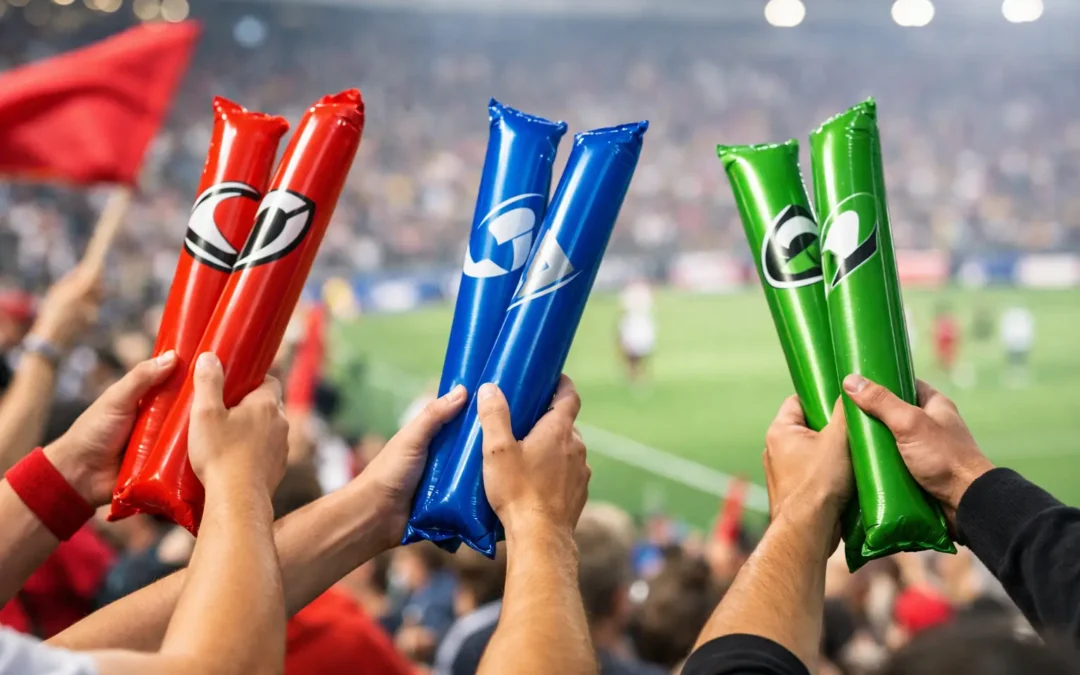
When the final siren is close, the grandstand is full and every supporter is waving the same branded item, your logo is no longer sitting quietly on a banner. It is part of the atmosphere. Knowing how to brand supporter merchandise is about turning a simple giveaway into something people can see, carry, wave, wear and remember.
For sporting clubs, schools, festivals, campaign teams and event organisers, the best supporter merchandise does two jobs at once. It lifts crowd energy on the day and keeps your name visible long after the noise has died down. The difference comes down to choosing the right product, using a design that reads at a glance and ordering with the event environment firmly in mind.
Start with the moment you want to create
Before selecting colours or adding a logo, decide what you need the merchandise to do. Are you trying to fire up a local footy crowd? Make an awards night feel bigger? Give election volunteers something visible to wave at a community event? Or put a sponsor’s name in front of thousands of attendees?
That purpose should guide the product. Inflatable cheering sticks are ideal when noise, movement and mass visual impact matter most. Branded caps, scarves and shirts suit supporter groups that want a longer-term identity. Wristbands, badges and small giveaway items can work well where budgets are tight or distribution needs to be quick.
There is no single right choice. A junior sports club may get more value from affordable bang bang sticks handed out at the gate, while a corporate hospitality event might want metallic cheering sticks that look sharp under venue lighting. The product needs to suit the crowd, the setting and the action you want people to take.
How to brand supporter merchandise for instant recognition
Supporter merchandise is viewed in motion. It may be held above someone’s head, photographed from the other side of an oval or seen for a few seconds in a packed hall. That means your branding needs to be bold before it needs to be clever.
Use your strongest brand elements first
Start with the logo, but do not assume the full logo lock-up is always the best print. A detailed crest, tiny tagline or long web address can disappear when printed on a narrow item or viewed from a distance. Often, a club name, team nickname, campaign phrase or recognisable symbol will do more work.
Choose one dominant message. For example, a rugby club might print its name on one cheering stick and a short call such as “GO RAIDERS!” on the other. A business sponsor may pair its logo with a simple event message. Keep the hierarchy clear: people should know who the item represents within a second or two.
Make colour work from the stands
Your colours are the first thing a crowd sees. Use the strongest contrast available, particularly for inflatable cheering sticks, flags and other high-movement products. Dark print on a light stick, or light print on a deep coloured stick, is generally easier to read than similar tones placed together.
If your organisation already has recognised colours, lean into them. A sea of matching green, gold, red, navy or club colours creates a far bigger impression than mixed generic stock. For night events, consider metallic finishes, foil effects or LED options where appropriate. They can add serious visual punch, but they need to fit the budget and venue conditions.
Design for the printable area, not the computer screen
A design can look brilliant on a large monitor and still fail on a physical product. Avoid cramming every sponsor, social handle and contact detail onto one small space. Fine lines and small type are especially risky on items that move, flex or are viewed at a distance.
Ask for a digital proof before production and assess it as a supporter would. Can you read the key words quickly? Does the logo have enough breathing room? Will the design look good when dozens or hundreds of items are used together? Cheering Sticks provides free digital proofs so you can check the layout before the order goes ahead.
Choose merchandise people will actually use
Great branding has no value if the product stays in a carton. The best supporter merchandise is easy to hand out, straightforward to use and relevant to the event.
Inflatable thundersticks are popular because they are lightweight, affordable and instantly understood. Hand someone a pair at the entry gate and they know exactly what to do. They create noise without needing batteries, technical instructions or a big distribution team. They are also reusable, which gives your branding another chance to be seen at future games and gatherings.
Custom shapes can make the message even stronger. Cricket bat cheering sticks suit cricket days, rugby ball shapes fit club matches, and paw designs are a natural match for schools, animal charities and teams with mascot branding. A shaped item costs more than a standard design, so it makes the most sense when the shape directly supports the theme rather than being added simply because it is different.
For larger campaigns, combine one high-energy item with a practical takeaway. A cheering stick can build atmosphere during the event, while a drink bottle, tote or cap provides longer-term brand exposure. This approach works well for sponsors that want both immediate visibility and a useful item supporters will retain.
Put the message in the right place
Supporter merchandise needs a distribution plan, not just a print plan. Consider where people will receive it and when it will be used. If cheering sticks are handed out as supporters walk into a stadium, print needs to be visible while they are carrying them and when they are clapping them together.
For a school carnival, place merchandise at house colour stations so students can grab it quickly before their event begins. For festivals, make the item part of a sponsor activation rather than leaving cartons unattended. For political or community campaigns, volunteers should have enough stock to create a visible presence without making the street stall feel cluttered.
It also pays to decide whether the item is free, included with a ticket, earned through an activation or sold as a fundraiser. Free giveaways drive fast uptake. Sale items can support club revenue, but supporters expect a higher perceived value and better durability. The right model depends on your budget and the reason for the campaign.
Plan quantities, timing and budget early
Crowd merchandise is most effective when there is enough of it. Fifty branded cheering sticks in a crowd of 2,000 will not create the wall of colour or sound you are aiming for. On the other hand, ordering for every possible attendee may not make sense if turnout is uncertain.
Use realistic attendance figures, then decide where visual density matters. You may only need enough products for a supporter bay, school house group, sponsor zone or key grandstand section. Concentrating distribution in one area can create stronger photos and better atmosphere than scattering a small number across the whole venue.
Lead times matter too. Custom print, specialised finishes and custom shapes can require more planning than stock items with simple branding. If your event date is close, be upfront about it when requesting a quote. A good supplier can advise on practical options, available stock colours and the best way to meet your deadline without compromising the result.
Do not judge value only by unit price. Consider how visible the item will be, how long it can be reused, whether it suits the audience and how much effort it takes to distribute. A low-cost product that creates no excitement is rarely a bargain. A well-chosen cheering product can deliver noise, movement, photos and sponsor exposure for a very modest outlay.
Give supporters a reason to join in
Branding works best when it invites participation. Put a clear cheer, hashtag, team call or campaign phrase on the product where it makes sense. “MAKE SOME NOISE”, “BACK THE BLUES” or “GO [TEAM NAME]” gives people permission to be part of the moment.
Keep the wording positive and immediate. Long promotional copy belongs in a brochure, not on something being waved in a crowded venue. Your supporter merchandise should feel like a badge of belonging, not an advertisement someone has been asked to hold.
The strongest result comes when every detail lines up: the right product, recognisable colours, simple print, enough stock and a clear plan for getting it into people’s hands. Get that right and your supporters will not just see your brand. They will put it in motion, make some noise and carry the energy of your event with them.